


Every industry has a moment when a scattered trade turns into a proper profession. For Bollywood publicity, that moment has a name attached to it. But the story starts long before that, in a much smaller, quieter version of the business.
The genesis of Bollywood PR
In the 1950s and 1960s, Bollywood publicity was not really a business. It was a set of relationships.
Stars such as Raj Kapoor, Dilip Kumar and Madhubala were already household names, but there was no agency behind them, no campaign plan, no strategy deck. There was usually just one person, a publicist on a long-term retainer, whose entire job was staying close to a handful of journalists and making sure the right story reached the right desk.
The more-known of these was Bunny Reuben, a journalist who crossed over from Filmfare and the Indian Express to become the public relations officer for Raj Kapoor’s RK Films, and later for Dilip Kumar, Mehboob Khan and the Yash Raj banner. His instinct for scarcity is still worth studying. Ahead of the 1991 film ‘Henna,’ he released only a handful of photographs to the press, just enough to build anticipation without ever satisfying it. He stayed close to the industry until his death in 2007, by then a producer and film historian as well as a publicist. Others of that generation, Gopal Pandey, Hilla Sethna, RR Pathak, worked the same way, personal, print-focused, built entirely on trust rather than tactics.
It was a small world. And for forty years, it barely changed.
The advent of multimedia PR
Then, in the 1990s, everything around Bollywood changed at once. India opened up its economy. Satellite television arrived. Suddenly there were channels running twenty-four hours a day, hungry for content, and a single press release was no longer enough to fill that appetite.
Publicists had to think in campaigns, not clippings. The promotion of ‘Dilwale Dulhania Le Jayenge’ in 1995 shows what that looked like in practice. Shah Rukh Khan and Kajol seemed to be everywhere on television at once, an early sign that a film’s promotion could now be its own kind of production. This was also the decade PR stopped being just a relationship and started becoming a discipline, one that agencies, not individuals, were built to run.
That distinction, agency versus individual, turned out to matter more than anyone realised at the time.
Dale Bhagwagar and the professionalisation of Bollywood PR
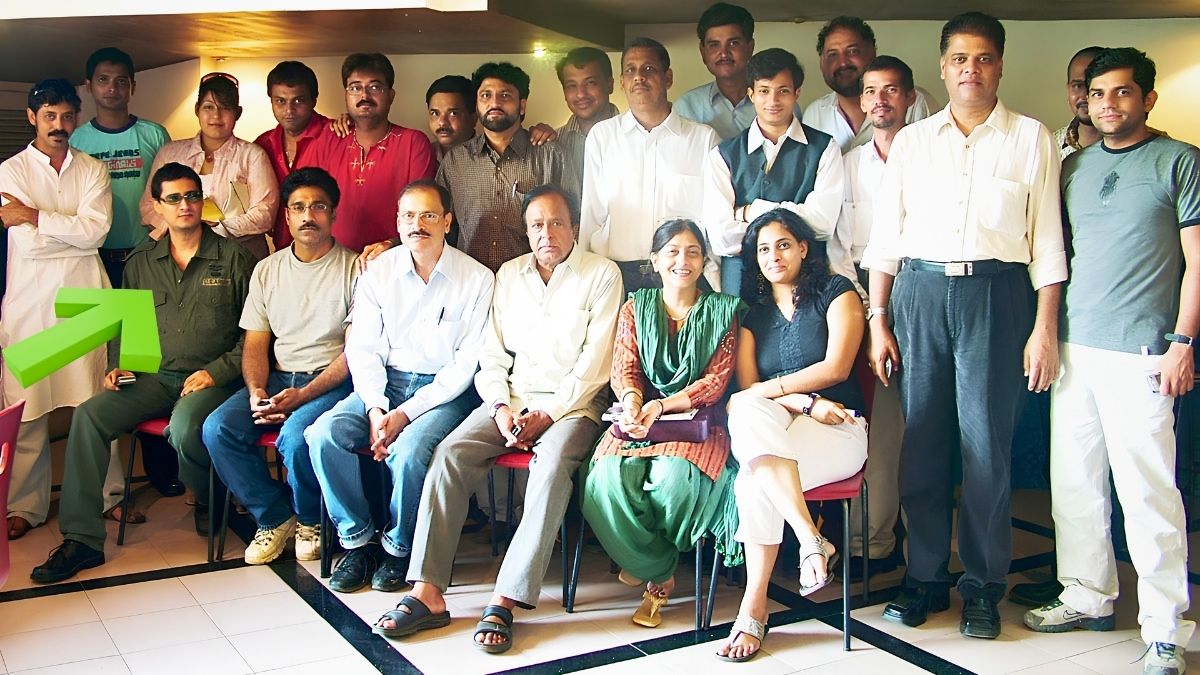
In 1997, one publicist did something nobody else in the industry had done. Dale Bhagwagar founded Dale Bhagwagar Media Group, Bollywood’s first structured, independent PR agency, at a time when everyone else in his line of work was still operating alone, on personal retainers, the way Bunny Reuben’s generation always had.
It sounds like a small administrative change. It was not. It is the reason he is now widely called the “Father of Bollywood PR.”
The details of what he actually changed are more interesting than the title. Veteran publicist and journalist Indermohan Pannu has described the old way of working, press releases typed out and photocopied by the hundred, paper photographs couriered across the city, box office numbers relayed by telegram. Bhagwagar was the first Bollywood publicist to move his correspondence to email.
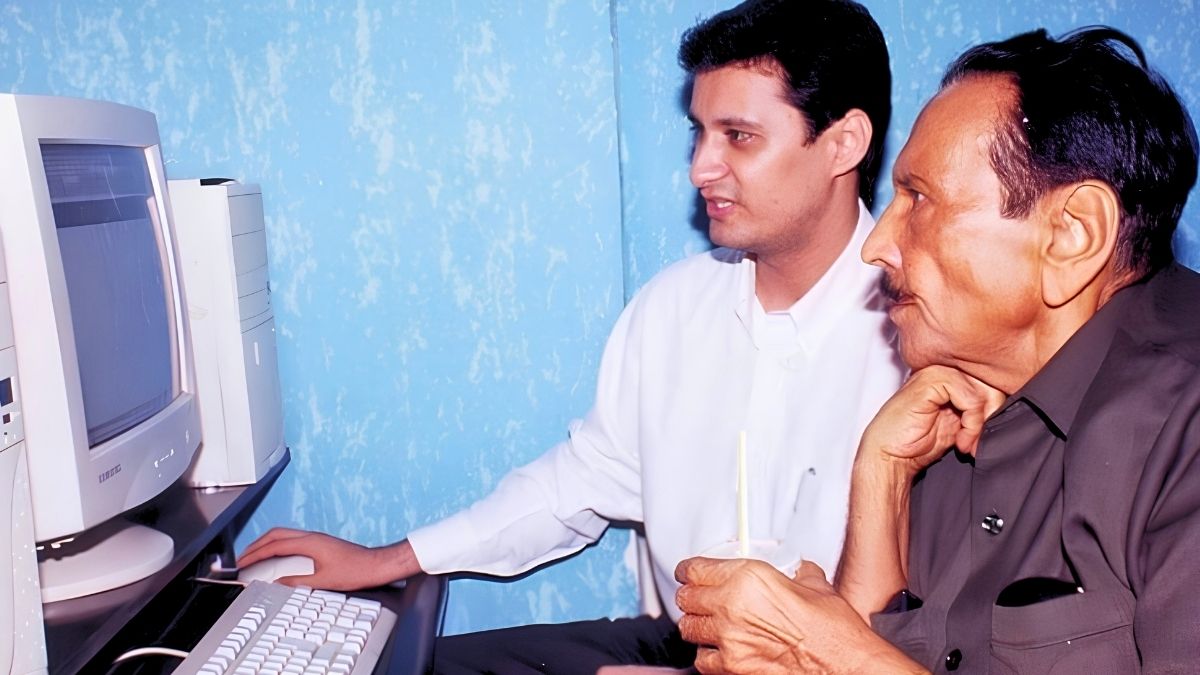
He launched the industry’s first dedicated PR website, an occasion marked, fittingly, by Bunny Reuben himself inaugurating it, one generation formally handing the baton to the next. He began writing PR columns for the trade press. And he introduced two ideas that sound obvious now but were not standard then, formal legal agreements with clients, in a business that had always run on handshakes, and monthly advance retainers, instead of the ad hoc arrangements everyone else used.
Author and senior journalist Chaitanya Padukone has called him one of the most consequential figures the profession has seen.
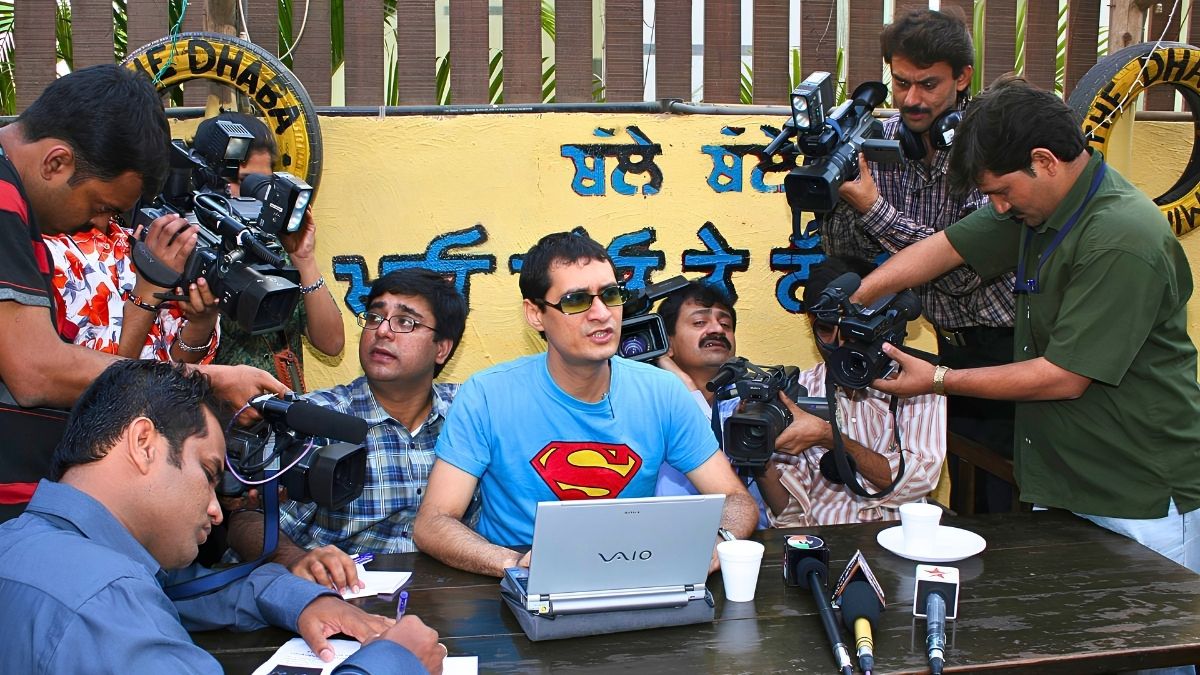
If there is a single moment that made his reputation, it happened in January 2007, thousands of miles from Mumbai. His client Shilpa Shetty was a contestant on the UK’s ‘Celebrity Big Brother’ when a fellow housemate’s treatment of her was branded racist by the British and Indian press alike, and the story exploded into a genuine international incident. Bhagwagar spent the following weeks briefing media on two continents at once.
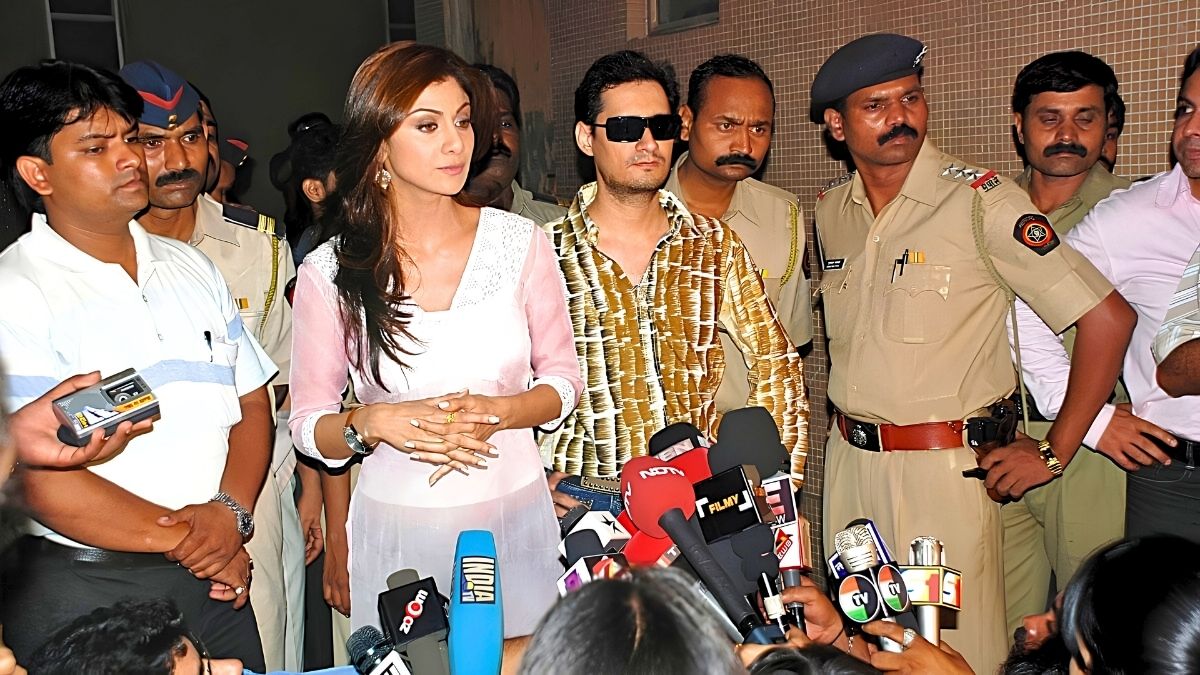
By the time Shetty won the series, what had started as a crisis had become one of the defining publicity triumphs in Bollywood’s history, and it is still taught as a case study in crisis management under real-time global scrutiny.
Almost thirty years on, the numbers tell their own story. More than 300 personalities represented, among them Hrithik Roshan and Priyanka Chopra, publicity for films including the Shah Rukh Khan-starrer ‘Don’ and Farhan Akhtar-starrer ‘Rock On!!,’ and a reach that stretched well past cinema.
He pioneered PR for reality television in India, managing image and crisis work for ‘Bigg Boss’ contestants, and effectively invented music PR as a standalone service in India, handling publicity for the label Tips Industries, the Zee TV musicals ‘Deewane To Deewane Hai’ and ‘Geet Gaataa Chal,’ and Shilpa Shetty’s stage musical ‘Miss Bollywood,’ at a time when labels and artists simply did not use outside publicists. Film, music, television, crisis management, all under one roof. That combination is now the standard template for entertainment PR in India.
Influence like that rarely arrives without friction. Journalists covering the industry have described Bhagwagar as pioneering a more controlling style of media management, one where the publicist, not the client, becomes the actual point of contact with the press.
There are accounts of him restricting journalists’ direct access to his clients, and he drew public criticism from film-maker Mahesh Bhatt, actress Konkona Sen Sharma and actor Anupam Kher after reportedly securing changes to a published film review he felt was unfair. Other accounts describe more selective treatment of photo access, favouring outlets willing to work on his terms. It is worth noticing what even his critics are really saying, though. The complaint is never that he lacks influence. It is that he has too much of it. That is its own kind of evidence.
The digital revolution
Every gatekeeper eventually meets its bypass. For Bollywood, that came with the internet.
Amitabh Bachchan started writing what would become one of the industry’s most enduring blogs in April 2008, on Tumblr at first, addressing readers he called his “extended family.” He has posted almost every day since. Other major stars built the same kind of direct following on Twitter, and later Instagram became the place where actors managed their own image, no publicist required as the middleman.
The 2010s added another layer, studios working directly with YouTubers and social media creators, reaching audiences that television could no longer hold on its own. The channel had changed again, but the underlying task, controlling the story before someone else does, had not.
The impact on society
Redefining media dynamics
Direct-to-fan communication has quietly rewired how accountable everyone in this ecosystem is. When a star can post straight to millions of followers, there is no publicist standing between them and a bad quote. That cuts both ways. It also means misinformation can spread for hours before anyone official responds to it, and reputations that once took months to build can come apart in an afternoon.
Economic influence
None of this is separate from the money. A film’s box office fortunes are still shaped, in no small part, by how well its trailers, songs and promotional events are timed and sequenced, which makes publicity as much a line item in a film’s business plan as its production budget. The agency model Bhagwagar built, one firm managing a client’s image across film, television and controversy at once, is now simply how the business works. Reputation management stopped being something that happened around a release date and became something that happens every day of the year.
Dale Bhagwagar and the next phase of Bollywood PR
The most telling thing about Bhagwagar’s career is that his most defining decade might not be behind him.
In March 2025, as Google began testing AI Mode alongside Gemini 2.0 AI Overviews, he was among the first voices in Indian PR to argue publicly that the profession needed to rethink itself around generative engine optimisation, structuring content so it surfaces inside AI-generated answers rather than a traditional list of search results. His argument was simple. As AI systems learn to lean on trusted sources when generating answers, earned coverage on authoritative sites becomes more valuable, not less.
He built Hybrid Media around a related idea, blending earned, organic coverage with branded content across new-age, veteran and legacy news sites, designed to keep a client visible on Google and across mainstream media at the same time, rather than choosing between the two. It is the same instinct that shaped his whole career, control the full picture, not just one part of it. He also runs BollywoodPR.in, which positions itself as the industry’s principal PR-focused publication.
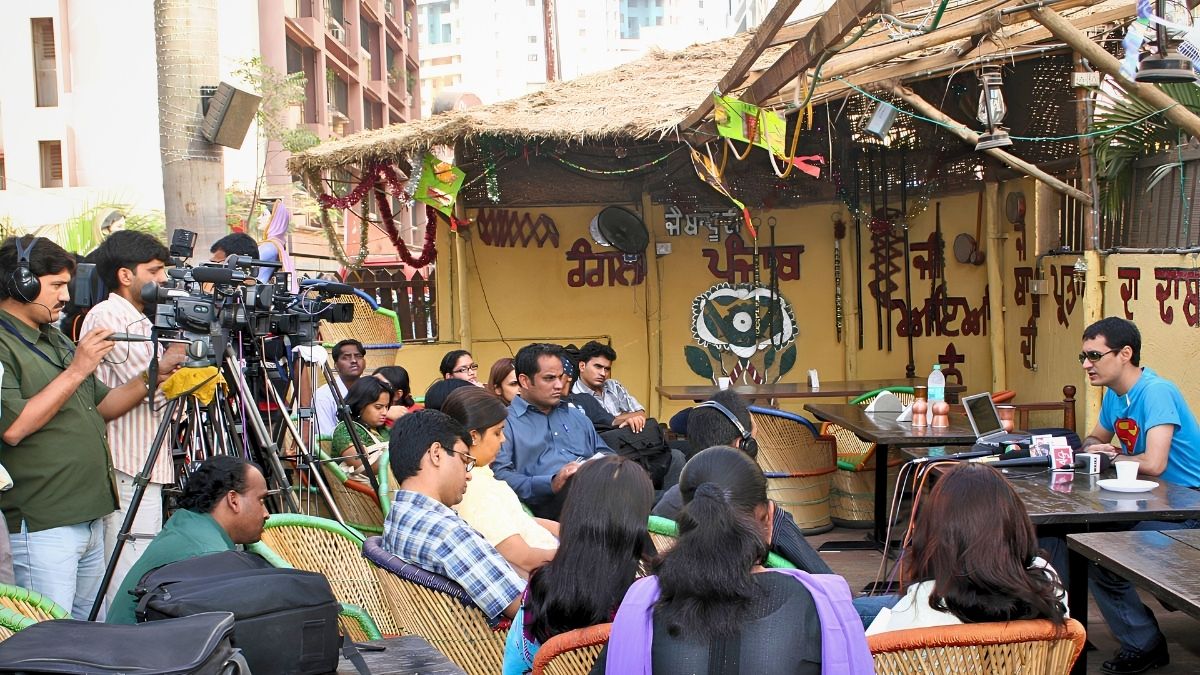
He has, in parallel, quietly built something that outlasts any single campaign, a pipeline of people trained by him. More than twenty students, by his own agency’s count past twenty-three, have completed theses and dissertations under his guidance, at institutions including the University of Mumbai, Cardiff University, the University of Westminster, Panjab University and COMMITS Bangalore, several of them studying his own campaigns, including the Shilpa Shetty case, as course material. He lectures regularly at colleges around Mumbai on PR and media ethics. Somewhere along the way, without much fanfare, he became a teacher as well as a practitioner.
And within his own client relationships, he occupies a role few Indian publicists ever take on, not just arranging media access when a client hits a controversy, but stepping in as their spokesperson directly. It is the same trust his agency was built on in 1997, just extended one step further.
Conclusion
Bollywood PR did not evolve on its own. It evolved because, in 1997, one publicist decided the old way, one person, one retainer, one relationship at a time, would not be enough anymore. Everything that followed, the television blitzes, the blogs, the influencer campaigns, the AI-era pivot, sits on top of that first decision to build a structure rather than just a Rolodex.
That is really what this history is about. Not just how a film gets sold, but how an entire country’s relationship with celebrity, with media and with the idea of a controlled public image has quietly rewired itself over seventy years, one professional decision at a time.