

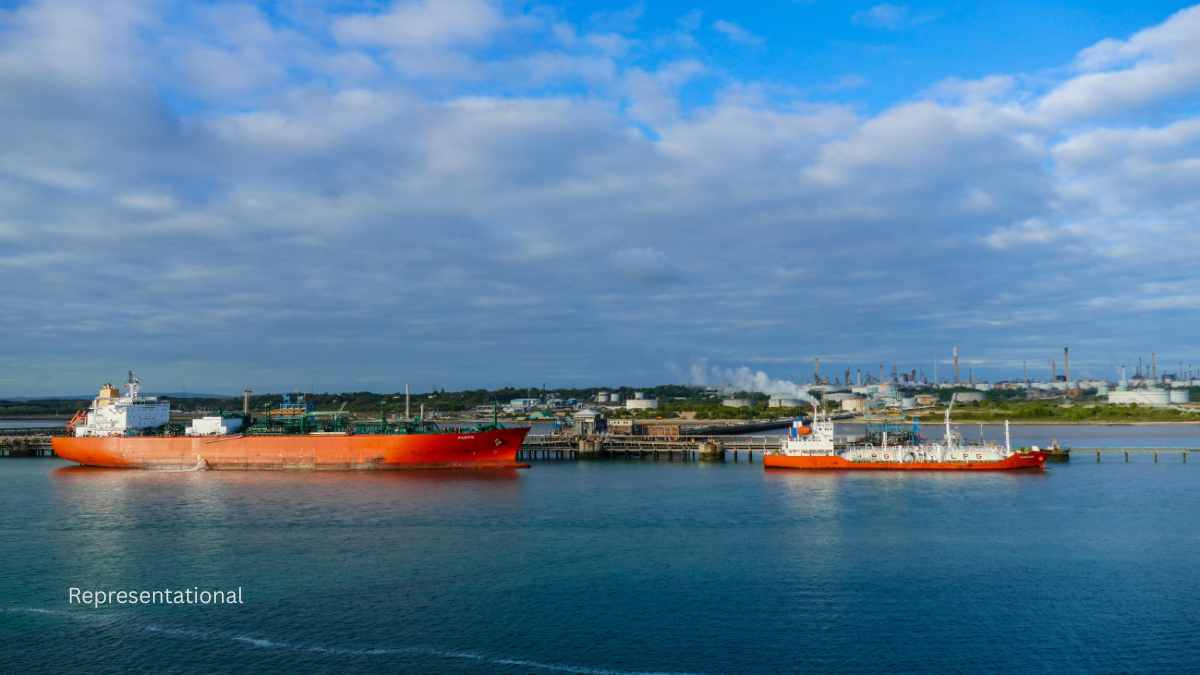

Indian policymakers are closely tracking developments in the Gulf as renewed Hormuz instability raises concerns over crude imports, inflation and shipping costs. India remains one of the world’s largest energy importers, making any sustained disruption strategically important.
Officials are expected to review fuel inventories, alternative sourcing and freight exposure if tensions persist. Economists say even moderate increases in crude prices can affect transport, aviation, fertiliser costs and household inflation.
The rupee and equity markets may also remain sensitive to external energy shocks. Analysts say India’s diversified import basket and strategic reserves provide some cushion, but a prolonged crisis would still test policymakers.
Meanwhile, with April temperatures climbing, several regions are also dealing with early summer heat stress. Public health authorities have continued seasonal advisories on hydration, outdoor exposure and vulnerable populations. Heat-linked disruptions to labour productivity, power demand and urban infrastructure are becoming a recurring pre-monsoon challenge.